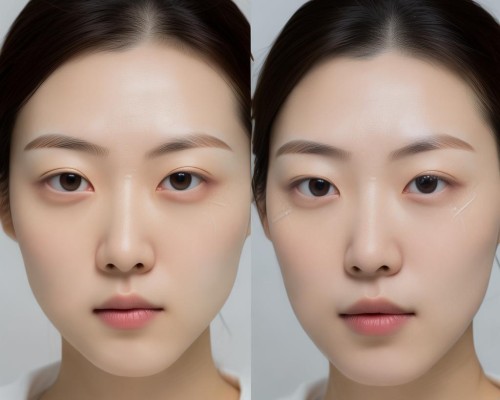

,eye synthesisScar thinning after surgery is the key to restoring beautiful eyes. This guide comprehensively introduces scar thinning methods from early to long-term postoperative operations. The early focus is on meticulous care to avoid infection and external stimulation, and promote wound healing. Then, it enters the repair stage. Silicone glue, drugs, lasers, microneedles and other methods can be used to select the appropriate timing and method according to the scar condition to gradually fade the scar, smooth the appearance, and follow scientific nursing and repair steps. It can effectively reduce postoperative scars and help beauty lovers regain clear, bright, and flawless beautiful eyes.
Comprehensive eye surgery, as a popular project in the field of modern medical beauty, is deeply favored by many people who love beauty, whether it is a single eyelid modification.double eyelids, or correction of ptosis, comprehensive ocular surgery can effectively improve the eye shape and enhance the overall facial beauty. Any surgery has a certain recovery period and potential side effects. Among them, the formation of postoperative scars is the most concerned about by many beauty seekers. One of the issues, scars not only affect aesthetics, but may also bring discomfort, and even affect eye function. Understanding and mastering scientific methods for thinning scars after comprehensive ocular surgery is crucial for postoperative recovery and regaining confidence.
As a professional medical beauty institution, Xiyan Medical has always adhered to the service concept of "safety, professionalism and beauty" and is committed to providing high-quality comprehensive ocular surgery and postoperative repair services for beauty seekers. This article will comprehensively analyze the scar thinning techniques after comprehensive ocular surgery from aspects such as the causes of scar formation, postoperative care, scar thinning methods and precautions, so as to help beauty seekers scientifically cope with postoperative scar problems and regain beautiful eyes.
Causes of scar formation after ocular synthesis
Scar formation after comprehensive eye surgery is mainly related to the following factors:
-
individual differences: Everyone's skin type, healing ability and scar constitution are different, which directly affect the obvious degree of postoperative scars. People with scar constitution are more likely to develop hypertrophic scars or keloids.
-
surgical procedure: The depth and length of the surgical incision and the doctor's technical level will affect the formation of scars. The incision design or improper operation may easily lead to obvious or asymmetrical scars.
-
postoperative care: Post-operative care is an important part of scar thinning. Improper care, such as premature suture removal, infection, excessive friction, etc., will aggravate the formation of scars.
-
炎症反应: If the inflammatory reaction of the postoperative wound is not well controlled, it may lead to excessive proliferation of scar tissue and the formation of obvious scars.
-
external factors: Bad living habits such as postoperative ultraviolet radiation, smoking, and drinking can also have a negative impact on the recovery of scars.
Methods for thinning scars after ocular synthesis surgery
严格遵循术后护理指南
Postoperative care is the first and most critical step in scar thinning. Beauty seekers should strictly follow the doctor's postoperative care recommendations, including:
-
Remove stitches on time: Under normal circumstances, the time for removing stitches for comprehensive eye surgery is 5-7 days after surgery. The specific time needs to be determined based on the doctor's advice and personal recovery.
-
keep it clean: Avoid touching the wound with your hands after surgery to prevent infection. Doctors usually recommend using sterile gauze to cover the wound and replacing it regularly.
-
avoid strenuous exercise: Avoid strenuous exercise for one week after surgery to prevent wound dehiscence or bleeding.
-
Avoid rubbing your eyes: Eyes need to rest adequately after surgery. Avoid rubbing eyes to avoid affecting wound healing.
-
Reasonable use of eye drops: Doctors may prescribe antibiotic eye drops or anti-inflammatory eye drops. Beauty seekers should use them as prescribed to prevent infection and reduce inflammatory reactions.
Use scar repair products
After the postoperative wound heals, the fading of scars still requires continuous care. The following are some commonly used scar repair products:
-
硅酮凝胶: Silicone gel is currently a commonly used scar repair product. It can form a protective film, reduce the proliferation of scar tissue, and promote scar softening and smoothing.
-
Silicone paste: Silicone paste reduces the blood supply to the scar site through physical compression, thereby inhibiting scar proliferation.
-
Onion scar paste: Onion scar patch contains onion extract, which has anti-inflammatory, anti-itching, and promotes scar repair. It is suitable for early post-operative use.
-
Scar Massage: After the scar is completely healed after surgery, scar massage can be performed to promote blood circulation and soften the scar tissue.
drug treatment
For more obvious scars, doctors may recommend some drugs for treatment:
-
corticosteroid ointment: For example, triamcinolone acetonide can inhibit inflammatory reactions and reduce scar hyperplasia.
-
Anti-scar drugs: For example, bleomycin, retinoin, etc., can inhibit the excessive proliferation of collagen and reduce the obvious degree of scars.
-
oral pharmaceutical: For severe scar constitutions, doctors may recommend oral anti-scar drugs, such as imorelin.
物理治疗
Physical therapy is one of the important means of thinning scars, mainly including:
-
laser treatment: Laser can stimulate the regeneration of collagen and reduce the obvious extent of scars. Common laser treatments include CO2 laser, erbium laser, etc.
-
microneedle therapy: Stimulate the skin through microneedles, promote collagen production, and improve the appearance of scars.
-
射频治疗: Radio frequency can heat deep skin tissues, promote collagen contraction and regeneration, thereby diluting scars.
-
photorejuvenation: Improve the color and texture of scars through intense pulsed light technology to make scars less obvious.
surgical repair
For particularly severe scars, such as keloid, surgery may be necessary to repair:
-
scar resection: Surgical removal of scar tissue and fine suture is performed to reduce the obvious degree of scar.
-
flap transplantation: For large-area scars, skin flap transplantation can be used to transplant healthy skin to the scar area to improve the appearance.
Time for scar fading after ophthalmology surgery
Scar thinning is a long-term process, which usually takes 3-6 months or even longer to see obvious results. Beauty seekers should remain patient and persist in care and treatment to achieve the ideal scar thinning effect.
1-3 months after surgery: Initial scar healing period
At this time, the scar has formed, but it has not yet been completely stabilized. Beauty seekers should avoid external stimulation, keep the wound clean, and use scar repair products to prevent scar hyperplasia.
3-6 months after surgery: scar stabilization period
The scar gradually stabilizes, the color becomes lighter, and the texture becomes softer. At this time, repair methods such as scar massage and laser treatment can be started to further dilute the scar.
More than 6 months after surgery: scar maturation period
The scar is basically mature, the color is close to normal skin, and the texture is soft. At this time, the fading effect of the scar is the most obvious, but attention should still be paid to sun protection and moisturizing to prevent the recurrence of the scar.
Measures to prevent scar after ocular synthesis surgery
Prevention is better than treatment. The following are some important measures to prevent postoperative scars:
-
Choose a regular medical institution: Select professional medical and aesthetic institutions and experienced doctors to perform surgery to reduce the risk of scar formation.
-
Preoperative communication: Fully communicate with the doctor before surgery to understand the surgical plan and postoperative nursing requirements to ensure that scar desalination measures are implemented in place.
-
术后防晒: Ultraviolet light is an important factor in the deepening of scars. Sun protection should be strictly avoided after surgery to prevent scars from becoming black.
-
healthy eating: Maintain a balanced diet after surgery and consume more foods rich in vitamin C, E and protein to promote wound healing and scar thinning.
-
Avoid bad habits: Quit smoking and limit alcohol, avoid smoking and drinking. These bad habits will affect wound healing and aggravate scar formation.
Case sharing: Successful experience of Xiyan Medical
Xiyan Medical has accumulated rich experience in reducing scars after eye comprehensive surgery. The following is a successful case of a beauty seeker:
Xiao Zhang,25 years old, had a single eyelid changed to double eyelid surgery. The postoperative scar was relatively obvious. After the surgery, Xiao Zhang strictly followed the doctor's nursing advice, used silicone gel and scar paste, and performed laser treatment regularly. After the surgery,3 months, the scar was significantly diluted, and 6 months after the surgery, the scar was almost no different from normal skin. Xiao Zhang said that Xiyan Medical's professional services and scientific scar desalination plan made her regain her confidence.
Scar thinning after comprehensive ocular surgery is a process that requires patience and scientific methods. Xiyan Medical recommends beauty seekers to actively take care after surgery, choose appropriate scar thinning methods, and seek the help of professional doctors when necessary. Through scientific care and treatment, most postoperative scars can be effectively improved and beautiful eyes can be restored.
If you have any questions about comprehensive eye surgery or postoperative scar thinning, please feel free to consult the professional team of Xiyan Medical at any time. We will provide you with the most professional advice and services.