
, ** How long will the stitches be removed after comprehensive nasal surgery? Detailed disassembly of key nodes during the recovery period will help you become beautiful with peace of mind!**, The time to remove sutures after comprehensive nasal surgery is usually around 5-7 days after surgery, and specific medical advice needs to be followed. The key points in the entire recovery period include: pay attention to the wound condition and basic care on the day after surgery; the time point for suture removal is 5-7 days after surgery, when the wound initially heals; after suture removal, it is necessary to continue to pay attention to wound cleanliness and avoid infection; the swelling does not subside significantly within a week or two after suture removal, which is a period of severe morphological changes; The structure of the nose is basically stable after about one month, but the shape may still continue to be fine-tuned; the shape of the nose tends to be stable after about three months, which is an important point for effect observation; about half a year after surgery, the shape and function of the nose are basically finalized, and the recovery period ends. Understanding these key nodes will help you better plan postoperative care and enjoy the results of beauty improvement with peace of mind.
Sisters, have you just completed comprehensive nasal surgery or are planning to do it, and you are looking forward to and a little nervous about post-operative recovery, especially the removal of sutures? Don't worry, let's talk about the removal of sutures after comprehensive nasal surgery today. As the editor of Xiyan Medical, I will provide you with a detailed analysis of the removal time, precautions and key points in the entire recovery period. Let you have more confidence in postoperative care and become beautiful with peace of mind!
Common wires and principles of suture removal in comprehensive nasal surgery
What we need to understand is that there are two main types of wires commonly used in comprehensive nasal surgery:
- Absorbable line: This is a type of wire that is very commonly used after rhinoplasty, especially when tightening in the columella, nasolabial groove, etc. This wire is usually a "self-fusing absorbable wire" that is carried through the wire itself. The special coating or structure undergoes a slight physical or chemical reaction in the subcutaneous tissue, producing a slight "anchoring" effect, and then gradually absorbed by the body.This thread does not need to be removed!
- Non-absorbable line: In some specific rhinoplasty projects, such as nasal flap base fixation, partial nasal bone fixation, etc., doctors may use non-absorbable sutures, which need to be removed by the doctor at a certain point after surgery.
Whether sutures are removed or not depends mainly on the type of wire used by the doctor and the specific design of the operation.
Time to remove stitches after nasal synthesis surgery: usually around 7-10 days
For comprehensive nasal surgery using "self-fusing absorbable sutures", in most cases, removal of sutures is not required.These wires will achieve a stable supporting and lifting effect as the body absorbs within approximately 1-2 weeks after surgery, and then will be gradually absorbed.
If non-absorbable sutures are used during the surgery, the sutures are usually removed between 7 and 10 days after surgery. This time point is judged by doctor's experience and verified by medical research. It not only ensures the stability of the fixation effect of the wire, but also avoids the risks that the wire stays in the body for too long.
Why can't we generalize the time to remove stitches?
Although 7-10 days is a common time for suture removal, the actual situation varies from person to person and is influenced by many factors:
-
Individual differences:
- 新陈代谢速度:Everyone's metabolic speed is different and their absorption capacity is different. Some people absorb quickly and the wire may stabilize in about 7 days; while others may take longer.
- 皮肤/组织特性: The thickness, elasticity of the skin at different parts, as well as the density of the subcutaneous tissue, will affect the fixation and absorption speed of the wire.
- Age: Young people are generally more capable of tissue repair and absorption.
- Health status: Certain underlying diseases or drugs being taken may affect the speed of tissue recovery.
-
Surgical design and physician operation:
- Wire type and amount: Different brands and different models of absorbable wires also have slightly different absorption speeds and effects. The more wires used and the wider the distribution, the longer it may take to achieve stability.
- Implantation level and depth: The deeper the wire is implanted, the more complete the contact with tissue, and the faster it may be absorbed and fixed; and vice versa.
- Doctor's experience and judgment: Experienced doctors will flexibly judge the best time to remove sutures (or observe absorption) based on intra-operative observation and postoperative recovery.
-
Postoperative care:
- Wound care: Whether the wound is kept clean and dry as directed to avoid infection, which directly affects the recovery of tissue and the absorption of wire.
- Living habits: Bad habits such as smoking and drinking can seriously affect wound healing and tissue repair.
- Facial activities: Excessive or inappropriate facial expression activity, especially in the early stages, may affect the position and fixation of the wires.
A few things you need to know before taking out stitches
- 提前与医生沟通: About one week before the suture removal, you can take the initiative to contact your chief surgeon or the customer service of Xiyan Medical to inquire about the specific arrangements and time for the suture removal. The doctor will give professional advice based on your recovery.
- Keep your face relaxed: Try to avoid strenuous exercise and facial pressing before removing sutures, and keep your face relaxed to help smooth the suture removal process.
- Prepare according to your doctor's advice: The doctor may tell you what to pay attention to before removing sutures, such as not touching them, not touching them with water, etc., and be sure to follow them.
- Psychological preparation: Suture removal itself is a very simple and quick process that usually only takes a few minutes. The doctor will use professional tools and the process is painless or only slightly uncomfortable.
What is the suture removal process like?
The suture removal process is very simple:
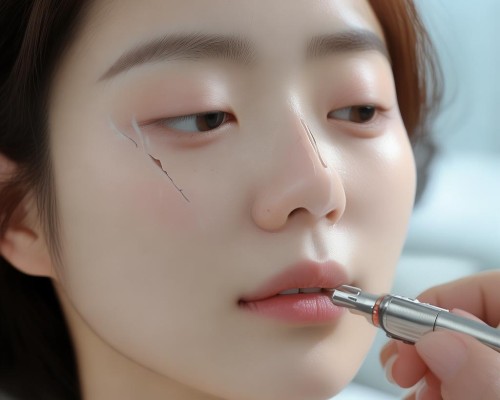
- The doctor will use disinfectant to clean the area to be removed.
- Use a special suture remover or suture remover to gently cut or remove the suture.
- Check the healing of the wound and make sure there are no abnormalities.
- It is usually disinfected again and may apply some ointment to promote healing.
- Tell you that the stitches are removed.
What should I pay attention to after removing stitches?
- Keep the wound clean and dry: For a few days after removing sutures, avoid letting the wound get wet and do not touch or squeeze the wound with your hands.
- Observe the wound condition: Pay attention to whether the wound has any abnormalities such as redness, exudation, and increased pain, and contact the doctor in time if there are any abnormalities.
- Continue to follow your doctor's advice: Perform nasal care and re-examination as required by your doctor.
- Patiently wait for the wire to absorb: For absorbable sutures, after the sutures are removed (if necessary), the wires will continue to be slowly absorbed in the body and produce a supporting effect. This process may take several weeks or even longer, and waiting patiently is the best cooperation.
- Avoid blowing your nose hard or picking your nose: These behaviors may put pressure on the nose and affect the fixation and shaping of the wire.
Restore peace of mind, your beauty is up to you
The time to remove sutures after nasal synthesis surgery mainly depends on the type of wire used. For most surgeries using self-fusing absorbable sutures, suture removal is not required. The wire will be absorbed and stabilized by the body around 1-2 weeks after surgery. If non-absorbable sutures are used, the time to remove sutures is usually 7-10 days after surgery.
Important Tips: The above information is for reference only,The specific time for suture removal must be based on the diagnosis and recommendations of your attending doctor. Everyone's recovery is unique, and following a doctor's professional guidance is the key to ensuring the effectiveness of nasal plastic surgery and smooth recovery.
At Xiyan Medical, we have an experienced medical team that will carefully design the surgical plan based on your facial characteristics and shaping needs, and provide meticulous care during and after surgery. Choose Xiyan, choose professionalism and peace of mind, let us protect your beautiful transformation together!
If you have any questions about comprehensive nasal surgery or want to make an appointment for consultation, please feel free to contact Xiyan Medical's online customer service or come to the hospital for consultation. We look forward to bringing you a more beautiful and confident self!
(Word count: about 1980 words)