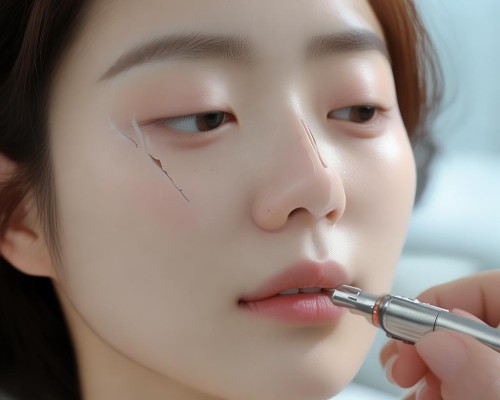

prosthetic rhinoplastyRemoval surgery is a safe and effective medical and aesthetic method. It aims to remove previously implanted prosthetic materials and restore the natural shape of the nose. The entire operation process includes preoperative evaluation, anesthesia, incision design, prosthesis removal, hemostasis, nasal filling and suturing. Careful operations are required during the operation to avoid damaging the nasal structure and ensure complete removal. Postoperative attention should be paid to wound care to prevent infection, and regular review. Through careful design and operation of a professional doctor, Not only can patients safely restore their natural nose shape, but they can also regain their confidence and beauty.
On the road to pursuing beauty, more and more people are choosing to improve their appearance through medical cosmetic methods. Prosthetic rhinoplasty, as a common plastic surgery, can effectively improve the three-dimensional feeling and aesthetics of the nose. Over time, some beauty seekers may want to remove the original prosthesis for various reasons. This article will analyze the entire process of prosthetic rhinoplasty removal surgery in detail to help you fully understand this operation and make wise choices.
Preparation before removal of prosthetic rhinoplasty
Preoperative consultation and evaluation
Before deciding to perform prosthetic rhinoplasty removal surgery, beauty seekers should first conduct detailed consultation with a professional plastic surgeon. The doctor will evaluate whether it is suitable for removal surgery based on your nasal condition, overall facial coordination and personal needs. The doctor will also learn about your previous rhinoplasty operation method, type of prosthetic material and postoperative recovery. This information is crucial to the success of the operation.
preoperative examination
In order to ensure the safety of the operation, the doctor will require you to undergo a series of preoperative examinations, including blood routine, coagulation function, electrocardiogram, chest radiograph, etc. These examinations will help eliminate contraindications for the operation and ensure that your physical condition can withstand the operation.
Formulation of surgical plan
Based on the preoperative evaluation results, the doctor will tailor the surgical plan for you. The plan will detail the surgical method, anesthesia method, operation time, postoperative recovery plan, etc. Beauty seekers should fully understand this information and fully communicate with the doctor to ensure a clear understanding of the operation.
Process of prosthetic rhinoplasty removal surgery
Choice of anesthesia method
Prosthetic rhinoplasty surgery usually uses local anesthesia or general anesthesia. The specific choice depends on the complexity of the operation and the patient's needs. Local anesthesia is suitable for cases with short operation times and less trauma, while general anesthesia is suitable for cases where the operation time is longer or the patient is sensitive to pain.
Selection of surgical incision
There are usually two options for incision for prosthetic rhinoplasty surgery: an internal incision method and an external incision method. The internal incision method is to remove the prosthesis from the nostril through a columella incision. This method has less trauma and faster recovery. The external incision method is to remove the prosthesis through an incision outside the nostril. This method is suitable for cases where the prosthesis is deep or has serious adhesion to the nasal tissue.
The process of prosthesis removal
After incising the skin, the doctor will carefully separate the tissue and find the location of the prosthesis. Then, the doctor will select a suitable tool based on the type and location of the prosthesis to remove it. During the removal process, the doctor will pay special attention to protecting the surrounding tissue to avoid causing unnecessary damage.
Treatment of wounds
After the prosthesis is removed, the doctor will thoroughly clean the wound to ensure that there is no residual prosthesis tissue or infection source. Then, the doctor will align the incision and suture it layer by layer. In order to reduce postoperative swelling and pain, the doctor may place a drainage during suturing. tube to help drain blood and fluid accumulated during the operation.
Post-operative dressing
After the suture is completed, the doctor will appropriately bandage the surgical area to reduce swelling and pain. The strength of the bandage should be moderate and should not be too tight to affect blood circulation, nor should it be too loose to cause the wound to shift.
Postoperative recovery and precautions
postoperative recovery period
After prosthetic rhinoplasty surgery, beauty seekers usually need to rest for 3-7 days. During this time, the face may experience swelling, pain and bruises. These are normal reactions. The doctor will prescribe painkillers and antibiotics on a case-by-case basis to help relieve symptoms and prevent infection.
wound care
Postoperative wound care is very important. Beauty seekers should follow the doctor's instructions, regularly change the dressing, keep the wound clean and dry, avoid touching the wound with their hands to prevent infection, and avoid strenuous exercise and lowering their heads to reduce swelling and pain.
饮食与生活习惯的调整
After surgery, the diet should be light and easily digestible foods, avoid spicy stimulation and hard foods, and avoid smoking and alcohol consumption. These behaviors will affect wound healing and increase the risk of infection.
regular reexamination
In order to ensure the surgical effect and smooth postoperative recovery, beauty seekers should conduct regular review according to the doctor's recommendations. During review, the doctor will check the healing of the wound, evaluate the shape of the nose, and make adjustments as needed.
Risks and complications of prosthetic rhinoplasty surgery
infection
Although the risk of infection during prosthetic rhinoplasty surgery is low, it is still possible to occur. Infection usually manifests as redness, swelling, pain, fever and other symptoms. Once it occurs, medical treatment should be sought promptly.
bleeding
Postoperative bleeding is a common complication and can usually be resolved by compression to stop bleeding, but if the amount of bleeding is large, further treatment may be needed.
Prosthesis migration or deformation
During removal, the prosthesis may shift or deform, which may affect the final nasal shape. If this occurs, the doctor may recommend a secondary surgical repair.
Impaired nasal function
In rare cases, prosthesis removal may affect normal nasal functions, such as breathing, smell, etc. If these conditions occur, seek medical attention promptly.
Indications and contraindications for prosthetic rhinoplasty
indications
Prosthetic rhinoplasty removal surgery is suitable for the following groups of people:
-
Beauty seekers who are not satisfied with the effect of rhinoplasty and want to restore their natural nose shape.
-
Beauty seekers whose prostheses are displaced, deformed or have rejection reactions.
-
Beauty seekers with exposed or exposed prostheses.
contraindications
Contraindications for prosthetic rhinoplasty surgery include:
-
Severe heart disease, high blood pressure, diabetes and other systemic diseases.
-
Active infection or inflammation.
-
Patients allergic to narcotic drugs.
How to choose the right medical institution and doctor
Choice of medical institutions
Beauty seekers should choose regular and qualified medical institutions to perform operations. These institutions should have complete surgical equipment and strict disinfection standards to provide a safe environment for operations.
the physician's choice
The professional level of a doctor directly affects the effectiveness and safety of the operation. Beauty seekers should choose experienced plastic surgeons, especially those who are good at nasal plastic surgery. They can evaluate their professional abilities by checking the doctor's qualifications, surgical cases and patient evaluations.
Cost and time of prosthetic rhinoplasty surgery
费用
The cost of prosthetic rhinoplasty surgery varies depending on factors such as regions, hospitals, and doctor's experience. The cost of surgery includes preoperative examination fees, surgery fees, anesthesia fees, drugs fees, etc. Beauty seekers should understand the cost composition in advance and compare it with multiple institutions.
手术时间
Prosthetical rhinoplasty removal surgery usually takes 1-2 hours, and the specific time depends on the complexity of the operation. Beauty seekers should arrange their work and life in advance to ensure adequate rest time after surgery.
Prosthesis rhinoplasty removal is a sophisticated plastic operation. It requires the beauty seeker to fully understand the surgical process before surgery and strictly abide by the doctor's advice after surgery. By selecting a professional medical institution and experienced doctors, the beauty seeker can safely and smoothly complete the operation and regain the natural and beautiful nose shape. I hope this article can provide you with valuable information and help you make wise choices.