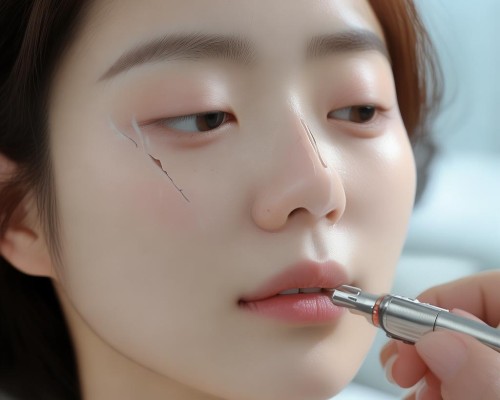
Although comprehensive nasal surgery can improve the shape and function of the nose, there are certain risks that need to be fully understood before surgery, including bleeding, infection, nasal adhesions, incomplete correction of nasal septum deviation, formation of false passages, hypertrophy or atrophy of turbinates, nasal leakage (cerebrospinal fluid leakage), decreased sense of smell, nasal dryness, recurrence of sinusitis, facial swelling, numbness, unsatisfactory correction effect or the need for secondary surgery, etc. Selecting experienced doctors, fully communicating expectations, and improving preoperative evaluation can reduce risks. Before surgery, discuss it in detail with your doctor to weigh the pros and cons and make mental preparations.
感染风险
Infection is one of the complications that may occur after any operation. Comprehensive nasal surgery involves the internal structure of the nasal cavity. Bacteria may be introduced during the operation, leading to infection. Symptoms of infection include redness, pain, fever, increased secretions, etc. If the infection is serious, antibiotic treatment may be needed, and another operation may even be necessary to remove infected tissue.
Preventive measures:
- Conduct a comprehensive physical examination before surgery to ensure that your health is suitable for surgery.
- Strictly adhere to preoperative preparation requirements, such as stopping taking certain drugs (such as aspirin).
- Select regular medical institutions and experienced doctors for surgery.
Hemorrhage and hematoma
During comprehensive nasal surgery, the blood vessels in the nasal cavity are cut off or ligated. Hemorrhage or hematoma may occur after surgery. Mild bleeding usually stops spontaneously within a few days, but severe bleeding may require blood transfusion or reoperation to stop bleeding. Hematoma refers to the accumulation of blood in the tissue, forming a mass, which may lead to deformation or infection of the nose.
Preventive measures:
- Coagulation function was evaluated before surgery to ensure there was no tendency to bleed.
- Avoid strenuous exercise and blowing your nose hard after surgery.
- Use hemostatic drugs according to doctor's advice and conduct regular reviews.
nasal adhesion
After comprehensive nasal surgery, during the healing process of wounds in the nasal cavity, nasal adhesion may occur, that is, the inner walls of the nasal cavity stick together, affecting breathing. This situation is particularly common in surgery for correcting nasal septum deviation. Nasal adhesion may cause nasal congestion, runny nose, and problems such as loss of smell.
Preventive measures:
- Use nasal dilators or nasal drops regularly after surgery to keep the nasal cavity unobstructed.
- Avoid blowing your nose hard to prevent tearing.
- If you have symptoms such as nasal congestion and runny nose, seek medical treatment promptly.
Rhinorrhea (CSF rhinorrhea)
Rhinorrhea refers to the outflow of cerebrospinal fluid from the nasal cavity. Although rare, this condition is very dangerous. It usually occurs when the skull base is fractured or the skull base is accidentally injured during surgery. CSF rhinorrhea may lead to intracranial infections, such as meningitis.
Preventive measures:
- Detailed imaging examination was performed before surgery to rule out skull base lesions.
- Avoid excessive peeling of the inner wall of the nasal cavity during surgery to prevent damage to the skull base.
- Closely observe nasal secretions after surgery. If clear liquid is found, seek medical attention immediately.
nasal septum deviation
Deviation of the nasal septum means that the nasal septum (the bone piece separating the left and right nasal cavities) is bent to one side, resulting in nasal stenosis and affecting breathing. During comprehensive nasal surgery, if the doctor is not skilled or has insufficient preoperative evaluation, the deviation of the nasal septum may not be corrected or aggravated.
Preventive measures:
- Detailed nasal endoscopy was performed before surgery to clarify the deviation.
- Select experienced doctors to ensure accurate surgery.
- Regular follow-up after surgery to detect and deal with deviation problems in a timely manner.
Change or loss of sense of smell
During comprehensive nasal surgery, the olfactory nerve may be damaged, resulting in hyposmia or complete loss of olfaction. This condition is common in nasal septum deviation correction or turbinectomy. Loss of olfaction is usually temporary, but sometimes it may be permanent.
Preventive measures:
- Assess olfactory function before surgery to see if there are basic problems.
- Try to avoid damaging the olfactory mucosa during surgery.
- Avoid blowing your nose hard after surgery to reduce irritation to the olfactory area.
facial numbness
During comprehensive nasal surgery, nerves in the face may be damaged, causing facial numbness or paresthesia. This condition is usually temporary, but in a few cases may be permanent.
Preventive measures:
- A detailed facial nerve assessment was performed before surgery.
- Avoid excessive peeling or pulling of facial tissue during surgery.
- Observe facial sensations after surgery, and seek medical advice promptly if there is any abnormality.
Recurrence of sinusitis
After comprehensive nasal surgery, some patients may experience recurrence of sinusitis. The surgery may not completely clear the lesions in the sinuses, or improper postoperative care may lead to the recurrence of inflammation.
Preventive measures:
- Control sinusitis before surgery and ensure that the inflammation completely resolves before surgery.
- Regular follow-up after surgery to detect and treat sinusitis in a timely manner.
- Use nasal irrigation and medication as directed.
Prosthesis or graft migration
In comprehensive nasal surgery, autogenous cartilage or artificial prostheses are often used to shape the nose. If the prosthesis or graft displaces, it may lead to problems such as unnatural shape of the nose or depression or skew.
Preventive measures:
- Choose high-quality prosthetic materials or autologous cartilage.
- Ensure that the prosthesis or graft is firmly fixed during the procedure.
- Avoid strenuous exercise and external force hitting your nose after surgery.
effect is not ideal
Although comprehensive nasal surgery can significantly improve the shape of the nose, some patients may be dissatisfied with the postoperative results. The reasons for unsatisfactory results may include high preoperative expectations, unskilled doctors, and improper postoperative recovery.
Preventive measures:
- Fully communicate with the doctor before surgery to clarify the surgical goals and expected results.
- Select experienced doctors to ensure that the surgical design is reasonable.
- Patiently wait for recovery after surgery, and the final results can usually be seen after 3-6 months.
Although comprehensive nasal surgery can effectively improve the shape of the nose and enhance personal temperament, any operation has certain risks. Understanding these risks and taking preventive measures is the key to ensuring the safety and effectiveness of the operation. Only by selecting regular medical institutions and experienced doctors can we fully prepare before surgery and strictly follow the doctor's advice after surgery can we minimize the risks of the operation and achieve satisfactory surgical results.
If you are interested in comprehensive nasal surgery, it is recommended to go to Shanghai Xiyan Medical Center for detailed consultation. The doctor will formulate a personalized surgical plan based on your specific situation and comprehensively evaluate the surgical risks to help you make an informed decision.
Shanghai Xiyan MedicalIs a professional plastic medical institution with an experienced medical team that is committed to providing customers with safe and effective plastic surgery services. We always adhere to the patient-centered approach, focus on surgical safety and effectiveness, and help every customer realize Beautiful dream.
Make an appointment now to start your beautiful journey!