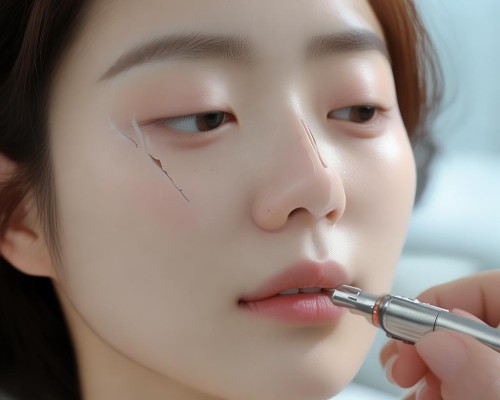

,nasal synthesisCareful care after surgery is crucial and is directly related to the surgical effect and recovery speed. ** The first priority is to strictly follow the doctor's advice, take antibiotics and anti-swelling drugs on time, and follow up the procedures as required. ** In terms of wound care **, keep it dry and clean, avoid getting wet, and remove stitches (if any) as instructed. ** When there is tamponade inside the nasal cavity **, avoid frequently blowing your nose or bending down to prevent displacement or bleeding. It is usually removed within 24-48 hours after surgery. ** The diet should not be light, easy to digest, avoid spicy stimulation and hard substances, and replenish more water and vitamin-rich foods. ** In terms of activities **, you need to have adequate rest in the early stage to avoid strenuous exercise and movements such as bending and lowering your head that increase neck pressure. ** Nasal cleaning ** should be gentle and can be rinsed as directed. ** The most important thing is **. Pay close attention to whether there are abnormal bleeding, severe pain, signs of infection (redness, swelling, heat and pain) or worsening nasal congestion. Once this occurs, contact the doctor in time. Patience and meticulous care is the key to achieving satisfactory nasal plastic results.
Comprehensive nasal surgery, also known as rhinoplasty or rhinoplasty, is a very popular cosmetic surgery. Whether you want to improve the height of the bridge of the nose and the shape of the nose, or to reduce the nose of the nose, comprehensive nasal surgery can help you achieve the ideal perfect nose shape. Any operation has certain risks and a postoperative recovery period. Postoperative care is particularly important. This article will introduce in detail the key points of nursing after comprehensive nasal surgery to help you maintain good condition during the recovery process. Restore the natural and beautiful nose shape as soon as possible.
Preoperative preparation: laying the foundation for postoperative care
Before surgery, adequate preparation is the key to ensuring smooth postoperative recovery. It is crucial to choose a regular medical institution and experienced doctors. Shanghai Xiyan Medical has a professional medical team that can develop a personalized surgical plan based on your facial characteristics and needs., fully communicate with the doctor before surgery to understand the specific steps, possible risks and postoperative nursing requirements of the operation. Before surgery, avoid taking anticoagulants, such as aspirin, Vitamin E, etc., to prevent excessive bleeding during surgery.
Initial post-operative care: a critical recovery phase
Keep the wound clean and dry
There may be slight bleeding in the wound within 24 hours after surgery, which is normal, but if the amount of bleeding is large, contact the doctor immediately. Avoid touching the nose after surgery to prevent infection. The doctor usually fills the nasal cavity with gauze after surgery to help stop bleeding and fix the shape of the nose. These gauze is usually removed within 24-48 hours after surgery, and the specific time must be followed by doctor's advice.
Ice compresses reduce swelling
Within 48 hours after surgery, ice application can help reduce swelling on the nose and face. The time for each ice application should not be too long. It is recommended to apply 15-20 minutes each time, 3-4 times a day. Pay attention to the ice bag should be wrapped in a towel to avoid direct contact with the skin to prevent frostbite.
Adjustment of diet and living habits
Spicy and irritating food should be avoided after surgery to avoid affecting wound healing. It is recommended to choose light and easily digestible food, such as porridge, noodles, vegetables, etc. Smoking and drinking should be avoided after surgery. These behaviors will affect blood circulation and delay the recovery process.
avoid strenuous exercise
Avoid strenuous exercise for one week after surgery, especially those that require lowering your head or exerting force, such as bending down, lifting weights, etc. These movements may increase nasal pressure and lead to bleeding or displacement. It is recommended to choose gentle exercise, such as walking, to promote Blood circulation.
Mid-term postoperative care: promoting nose shaping
Regular follow-up visits and doctor guidance
The postoperative recovery period is usually 1-3 months. During this period, regular follow-up visits should be made. The doctor will adjust the nursing plan according to your recovery. During follow-up visits, you must truthfully report your feelings and changes to the doctor so that problems can be discovered in a timely manner and deal with them.
Nose shaping and massage
2-4 weeks after surgery, the doctor may recommend nasal shaping or gentle massage to help the shape of the bridge of the nose and nose better shape, but the specific operation needs to be performed under the guidance of the doctor. Do not force massage yourself to avoid affecting the surgical effect.
Pay attention to nasal care
There may be secretions or scabs in the nasal cavity after surgery. Avoid digging with your hands to avoid infection. The doctor may prescribe nasal spray or ointment to help keep the nasal cavity moist and clean. When using, you should follow the instructions to avoid excessive use.
Long-term postoperative care: maintaining surgical results
Sun protection and moisturizing
After 3 months after surgery, the nasal skin gradually recovers, but attention should be paid to sun protection. Long-term exposure to the sun may cause pigmentation and affect the appearance of the nose. It is also important to keep the nasal skin moist. You can use skin care products recommended by your doctor to avoid dryness or allergies.
Long-term adjustments to diet and lifestyle habits
In order to maintain the results of the surgery, it is necessary to maintain healthy diet and living habits for a long time. Balanced diet, adequate sleep, and avoidance of smoking and alcohol will all contribute to the body's recovery and overall health.
Psychological adjustment and patient waiting
The recovery period after comprehensive nasal surgery may cause anxiety, especially when you see swelling or imperfect shape of the nose. It is important to be patient and understand that postoperative recovery is a gradual process. After 6 months to 1 years, the nose will gradually return to its natural state, and the final effect will be more obvious.
Common problems and countermeasures
swelling and pain
Postoperative swelling and pain are normal and usually subsides within 1-2 weeks. If the pain persists or worsens, seek medical attention promptly.
Bleeding and infection
A small amount of postoperative bleeding is normal, but if the amount of bleeding is large or lasts for a long time, you should contact your doctor immediately. Infection is a more serious postoperative complication, manifested as redness, fever, increased secretions, etc., which needs to be treated promptly.
Unsatisfactory nose shape
The shape of the nose after surgery may be different from expected, which is normal. As time goes by, the nose will gradually return to nature. If you have great doubts about the shape of the nose, you should communicate with your doctor after 3-6 months to assess whether further adjustments are needed.
Comprehensive nasal surgery is a fine cosmetic surgery. Postoperative care is directly related to the surgical effect and recovery speed. Choosing a professional medical institution and experienced doctors is the first step, and scientific postoperative care is the key to ensuring the success of the operation. I hope the nursing points in this article can help you better pass the postoperative recovery period and usher in the ideal nasal shape as soon as possible. If you have any questions or need further help, please feel free to contact the professional team of Shanghai Xiyan Medical. We will provide you with the most considerate service and guidance.