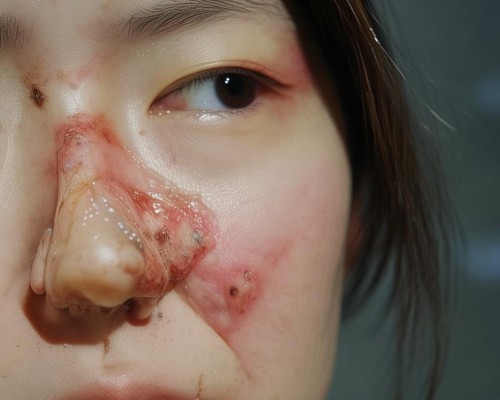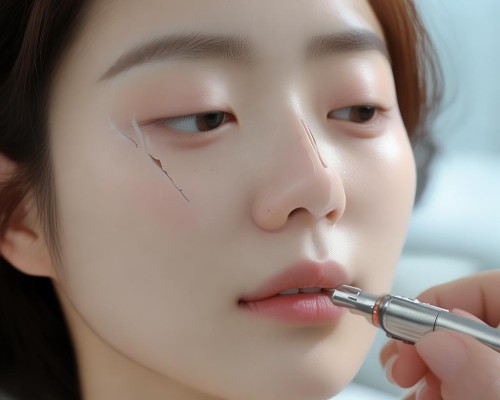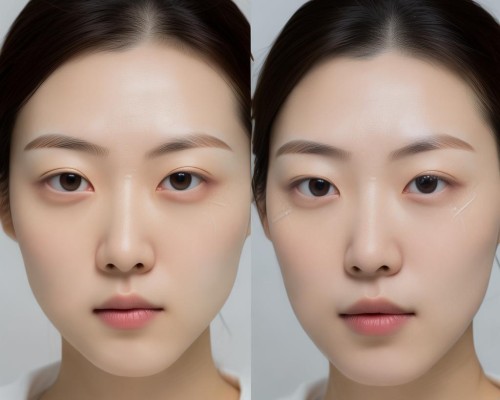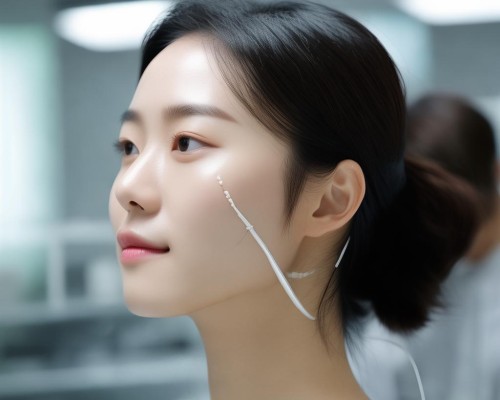

Symptoms of failed rhinoplasty may include unnatural, skewed or asymmetrical nose shape, exposed prostheses or implants, capsular contracture leading to deformation of the tip of the nose, nasal congestion, difficulty breathing, infection, redness, pain, exudate or persistent inflammation, etc., facial swelling, uncoordinated appearance, or impaired nasal function may also occur. If these symptoms occur, seek medical attention promptly and a professional doctor will evaluate and formulate a corresponding treatment plan.
On the road to beauty, more and more people are choosing to improve their appearance through rhinoplasty surgery. Rinoplasty surgery is not without risks. Once the surgery fails, not only will the expected results fail, but it may also bring a series of health problems. What are the symptoms of failed rhinoplasty? This article will provide you with a detailed analysis.
鼻部形态异常
-
歪斜或偏斜: The ideal rhinoplasty operation should coordinate the bridge of the nose with other parts of the face, and the proportion of the tip of the nose to the face should be harmonious. If the bridge of the nose is skewed or the tip of the nose is tilted to one side after surgery, it may be caused by improper placement of the prosthesis or autologous cartilage, or unstable fixation during the operation.
-
鼻梁过高或过低: The purpose of rhinoplasty surgery is to increase the height of the bridge of the nose without undue exaggeration and make the facial outline more three-dimensional. If the bridge of the nose is too high after surgery, it will appear abrupt and even affect facial expression; if the bridge of the nose is too low, it will not be possible to achieve the ideal Shaping effect.
-
Poor tip shape: The tip of the nose is an important feature of the face. The ideal tip of the nose should be natural and exquisite. If the tip of the nose is too wide, too thick or stiff after surgery, it will appear unnatural and even affect the appearance of the face.
感染与炎症
-
红肿与疼痛: Post-operative infection is one of the common causes of failure of rhinoplasty. If the nose develops persistent redness, swelling, pain, or even fever, it may be a sign of infection. Infection not only affects the appearance, but may also cause permanent damage to the nasal tissue.
-
abnormal secretion: There will be a small amount of secretions during normal postoperative recovery, but if the secretions are abnormal in color (such as yellow, green) or accompanied by a peculiar smell, it may be a sign of infection.
-
skin necrosis: Severe infections can cause nasal skin necrosis, form ulcers or scarring, and even require secondary surgery to repair.
Prosthesis migration or exposure
-
prosthesis dislocation: Prosthesis materials commonly used in rhinoplasty include silicone gel, expanded body, etc. If the prosthesis displaces after surgery, the height of the bridge of the nose changes, or the shape of the tip of the nose is unnatural, it may be caused by improper placement of the prosthesis or impact of external force after surgery.
-
假体暴露: Prosthesis exposure refers to a part of the prosthesis protruding from the skin and forming a visible hard mass or capsule. This condition is usually caused by infection, improper prosthesis selection, or intraoperative error.
capsular contracture
Capsule contracture is one of the common complications during rhinoplasty. The capsule is the fibrous tissue that wraps the prosthesis. Under normal circumstances, it should be soft and tension-free. If the capsule contracture occurs, the prosthesis will be squeezed and deformed, resulting in poor appearance of the nose., and even affects respiratory function.
呼吸功能障碍
-
鼻塞或呼吸困难: If rhinoplasty is not properly performed, it may affect the normal ventilation function of the nasal cavity, leading to nasal congestion, difficulty breathing, and even snoring.
-
nasal septum deviation: Some rhinoplasty surgeries may involve correction of the nasal septum. If not handled properly during the operation, it may lead to deviation of the nasal septum and affect respiratory function.
psychological impact
-
Inferiority and anxiety: Failure of rhinoplasty not only affects the appearance, but may also have a serious impact on the patient's psychology. Long-term appearance dissatisfaction may lead to inferiority, anxiety, and even depression.
-
社交障碍: Due to concerns about appearance, some patients may reduce social activities, affecting their quality of life.
other symptoms
-
面部不对称: If rhinoplasty is not coordinated with other parts of the face, it may lead to overall asymmetry of the face and affect the appearance.
-
过敏反应: Some patients are allergic to prosthetic materials and may experience allergic symptoms such as redness, itching, and rash after surgery.
How to prevent failed rhinoplasty?
-
Choose a regular medical institution: Rhinoplasty surgery is an operation with high technical requirements. Choosing a formal and professional medical institution and experienced doctors is the key to success.
-
Adequate pre-operative communication: Fully communicate with the doctor before surgery, clarify surgical expectations, and select suitable prosthetic materials and surgical plans.
-
postoperative care: Carry out postoperative care strictly in accordance with doctor's advice to avoid infections and other complications.
-
regular reexamination:术后定期复查,及时发现并处理可能出现的问题。
Although rhinoplasty surgery can effectively improve facial contours, the risk of failure cannot be ignored. Understanding the symptoms of failed rhinoplasty can help detect and deal with problems in a timely manner and avoid long-term troubles. If you have any questions or concerns about rhinoplasty surgery, it is recommended to consult a professional medical institution in a timely manner to obtain professional advice and help.
As a professional medical beauty institution, Shanghai Xiyan Medical always adheres to a patient-centered approach and provides safe and effective rhinoplasty surgery services. Our professional doctor team will formulate personalized surgical plans based on your facial characteristics and needs to help you achieve the ideal nose shape.
If you have any questions or need to make an appointment for consultation, please feel free to contact us.