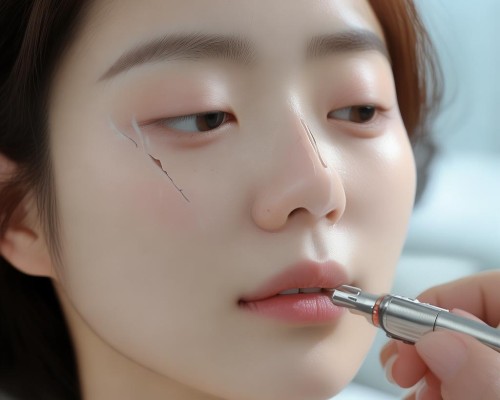

Nasal repair is a fine operation that combines medical technology and aesthetic design. It aims to reshape the shape of the nose through scientific methods and achieve the unity of facial harmony and personal aesthetic needs. During the nasal repair process, doctors need to comprehensively consider the nasal bones, cartilage structure, skin elasticity and overall facial proportions, and formulate personalized surgical plans. Modern nasal repair technologies continue to advance, such as autologous cartilage transplantation, prosthetic implantation, etc., providing more possibilities for improving complex nasal shapes. Successful nasal repair not only requires superb skills, but also requires a deep understanding of aesthetic standards to ensure that the nasal shape is natural and functional after surgery, and truly meet the patient's expectations for a "perfect" nasal shape.
In modern society, the nose serves as the "visual center" of the face, and its beauty directly affects a person's overall image and self-confidence. With the continuous development of plastic surgery technology, more and more people choose to improve the nose through nasal plastic surgery. Shape, not all nasal plastic surgery can achieve the ideal results. Nasal repair surgery came into being. It is a fine technology that combines art and science to repair nasal deformity or dissatisfaction caused by various reasons. Help beauty seekers regain their confidence and beauty.
What is nasal repair?
Nasal repair, also known as nasal reconstruction or nasal repair, refers to the re-operation of the nose on the basis of the original nasal plastic surgery to improve or correct problems that occurred in the primary operation. The complexity of nasal repair surgery is often higher than that of the primary nasal plastic surgery, because it requires doctors to fully consider various factors such as organizational structure, functional restoration, and aesthetic effects based on the original operation.
Nasal repair surgery is suitable for the following conditions:
- The first rhinoplasty is not ideal: Such as insufficient height of the bridge of the nose, too wide of the nose, deformed nostrils, etc.
- Deformity caused by nasal trauma or infection: Nasal injuries caused by car accidents, accidental impacts, etc.
- 先天性鼻畸形: Such as cleft lip and palate, deviation of nasal septum, etc.
- Repair of nasal tumors after resection: Such as nasal defect caused by resection of a benign tumor.
Common problems with nasal repair
The success of nasal repair surgery depends largely on the accurate diagnosis of the problem and scientific repair plan. The following are several common problems in nasal repair:
-
Insufficient bridge height: During the primary operation, the doctor may have underestimated the height of the bridge of the bridge, causing the bridge to appear too flat and out of tune with the rest of the face.
-
鼻头过大或过宽: Hypertrophy of the nose is a common problem during nasal plastic surgery. During repair, it needs to be improved by reducing the nose flank and adjusting the nose cartilage.
-
deformed nostril: The nostrils are too large or asymmetrical, which may be caused by unsatisfactory narrowing of the nostrils during the primary operation or excessive removal of the nostril edges.
-
nasal septum deviation: Deviation of the nasal septum not only affects breathing, but may also lead to an uncoordinated appearance of the nose. It needs to be solved through nasal septum correction during repair.
-
鼻尖下垂: Ptosis of the tip of the nose is usually caused by insufficient support of the tip of the nose cartilage. During repair, cartilage grafting or suspension techniques are needed to elevate the tip of the nose.
Principles of nasal repair
Nasal repair surgery is a highly complex technique that requires comprehensive consideration by doctors in terms of aesthetics, function and tissue repair. The following are the basic principles of nasal repair surgery:
-
personalized design: Each patient's nasal condition, facial characteristics and expectations vary, so the restoration plan must be tailored to the individual situation.
-
Functional priority: Nasal repair should not only consider the appearance, but also ensure that the ventilation function of the nasal cavity is normal to avoid problems such as difficulty breathing after surgery.
-
Tissue repair and reconstruction: The structure of the nose is complex, and the repair and reconstruction of cartilage, bones, muscles and other tissues need to be fully considered when repairing.
-
Minimally invasive and safe: Nasal repair surgery should minimize trauma, shorten recovery time, ensure surgical safety and avoid complications.
Technical advantages of nasal repair
With the continuous advancement of medical technology, the technology of nasal repair surgery is also constantly innovating and improving. The following are some of the technical advantages of nasal repair surgery:
-
three-dimensional navigation technology: Through the 3D CT scanning and navigation system, doctors can plan the surgical path more accurately and improve the accuracy and safety of the operation.
-
Computer Aided Design and Manufacturing (CAD/CAM): Using computer technology, doctors can simulate the effects of surgery and help patients better understand the repair plan.
-
cartilage grafting technique:软骨移植是鼻修复中常用的技术,通过自体软骨移植,可以更好地塑形和支撑,减少排异反应。
-
minimally invasive surgical techniques:微创鼻修复手术通过小切口进行,减少了创伤和出血,加快了恢复速度。
-
Applications of biomaterials:新型生物材料的应用,如可吸收支架、生物膜等,为鼻修复提供了更多选择,减少了传统材料的局限性。
鼻修复的术前准备
Nasal repair surgery is a sophisticated technique, and preoperative preparation is crucial. The following are the preoperative preparation steps for nasal repair surgery:
-
全面评估:医生会对患者进行详细的面部检查,包括鼻部结构、面部比例、呼吸功能等,必要时进行CT扫描或三维成像。
-
psychological assessment: Nasal repair surgery has high requirements on the patient's psychological state. Doctors need to fully communicate with the patient, understand their expectations, and ensure that they are fully psychologically prepared.
-
健康状况评估:医生会评估患者的整体健康状况,确保其适合手术,排除可能的禁忌症。
-
制定手术方案: Based on the evaluation results, the doctor will work with the patient to formulate a personalized surgical plan to clarify the surgical goals and expected results.
Surgical process of nasal repair
Nasal repair surgery is usually performed under general anesthesia or local anesthesia. The specific surgical method depends on the patient's condition. The following are the general steps for nasal repair surgery:
-
incision design: Depending on repair needs, doctors will make incisions at the columella or nasal vestibule to minimize trauma.
-
Tissue separation and repair: Doctors will carefully separate nasal tissue and repair or rebuild damaged structures, such as nasal septum and nasal tip cartilage.
-
Shaping and adjustment: Through cartilage transplantation, suspension technology and other methods, doctors will shape and adjust the bridge of the nose, nose, nostrils and other parts to achieve the ideal appearance.
-
Suture and bandage: After the operation is completed, the doctor will perform fine sutures and appropriately bandage the nose to reduce swelling and promote healing.
Postoperative care of nasal repair
Nursing after nasal repair surgery is crucial to recovery results. The following are several key points of postoperative care:
-
keep it clean: The wound should be kept clean and dry after surgery to avoid infection. The doctor will prescribe antibiotics and anti-inflammatory drugs according to the situation.
-
avoid strenuous exercise: Vigorous exercise should be avoided for a period of time after surgery to avoid affecting the stability of the nasal structure.
-
Dietary considerations: Avoid spicy and irritating foods after surgery and eat more foods rich in protein and vitamins to promote wound healing.
-
regular follow-up visits: After surgery, regular follow-up visits should be followed according to the doctor's suggestions to promptly understand the recovery situation and adjust the treatment plan.
-
psychological adjustment: Nasal repair surgery is a long process. Patients need to maintain patience and confidence and actively cooperate with the treatment.
Common misunderstandings about nasal repair
When choosing nasal repair surgery, patients may encounter some misunderstandings. The following are a few common misunderstandings and correct understandings:
-
Myth: Nasal repairs can solve all problems at once
- correctly understand: Although nasal repair surgery can solve a variety of nasal problems, one operation may not fully achieve the desired results and may require multiple repairs.
-
Myth: The more complex the nasal repair, the better the effect
- correctly understand: The complexity of the operation is not directly equivalent to the effectiveness. Excessive repair may lead to tissue damage and affect function and appearance.
-
Myth: Daily activities can be resumed immediately after nasal repair
- correctly understand:鼻修复手术后需要一定的恢复时间,过早进行剧烈活动可能影响手术效果。
Nasal repair surgery is a fine technology that combines art and science. It can not only help beauty seekers improve the shape of the nose, but also improve their quality of life. It is crucial to choose an experienced nasal repair expert. Patients should fully understand the surgical risks and expected effects before surgery and actively cooperate with postoperative care to obtain satisfactory repair results. As a professional plastic medical institution, Shanghai Xiyan Medical has always adhered to the "patient-centered" service concept. Provide safe and effective nasal repair surgery for every beauty seeker to help them regain their confidence and beauty.